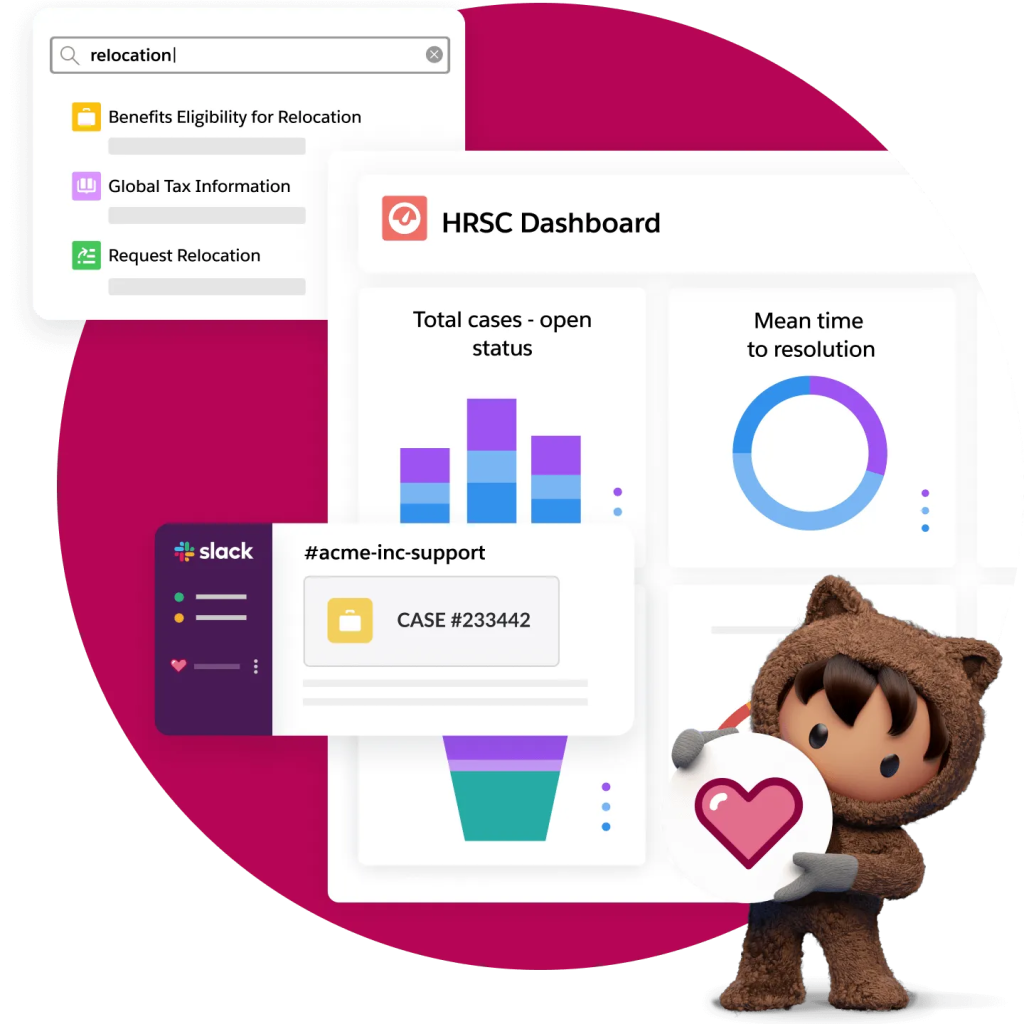
Employee Service
Scale with employee engagement software built directly into your CRM. Drive efficiency and easily deliver employee management that your team will love — all on a single platform.


What can you do with your new employee management software?
Boost employee engagement while reducing operating costs by streamling HR and IT support.
Delight employees with an intelligent service experience.
Deliver a seamless HR experience for employees. Reduce costs by deflecting tickets with Self-Service and automate processes with prebuilt workflows.

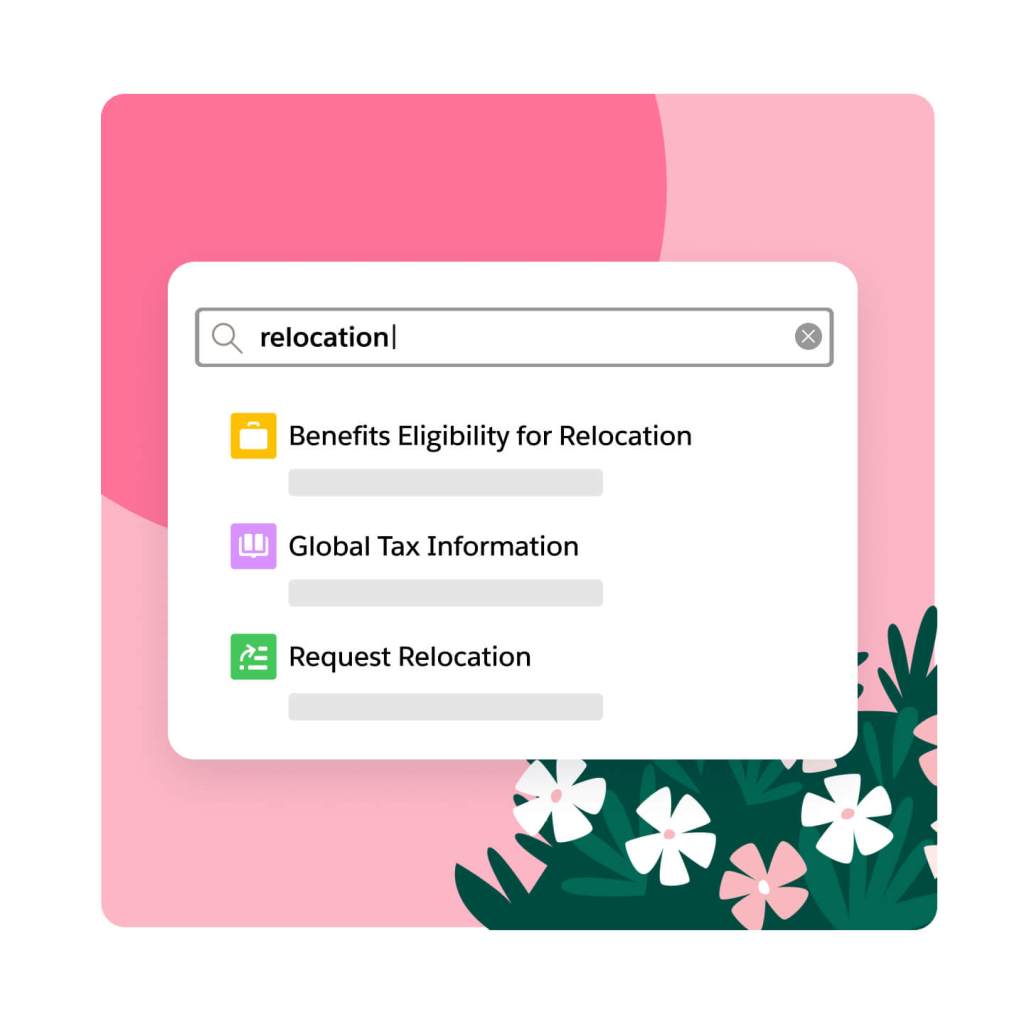
Scale employee support with an intelligent help desk. Centralize knowledge and Self-Service channels to help employees find answers on their terms.
Support IT in delivering modern employee experiences.
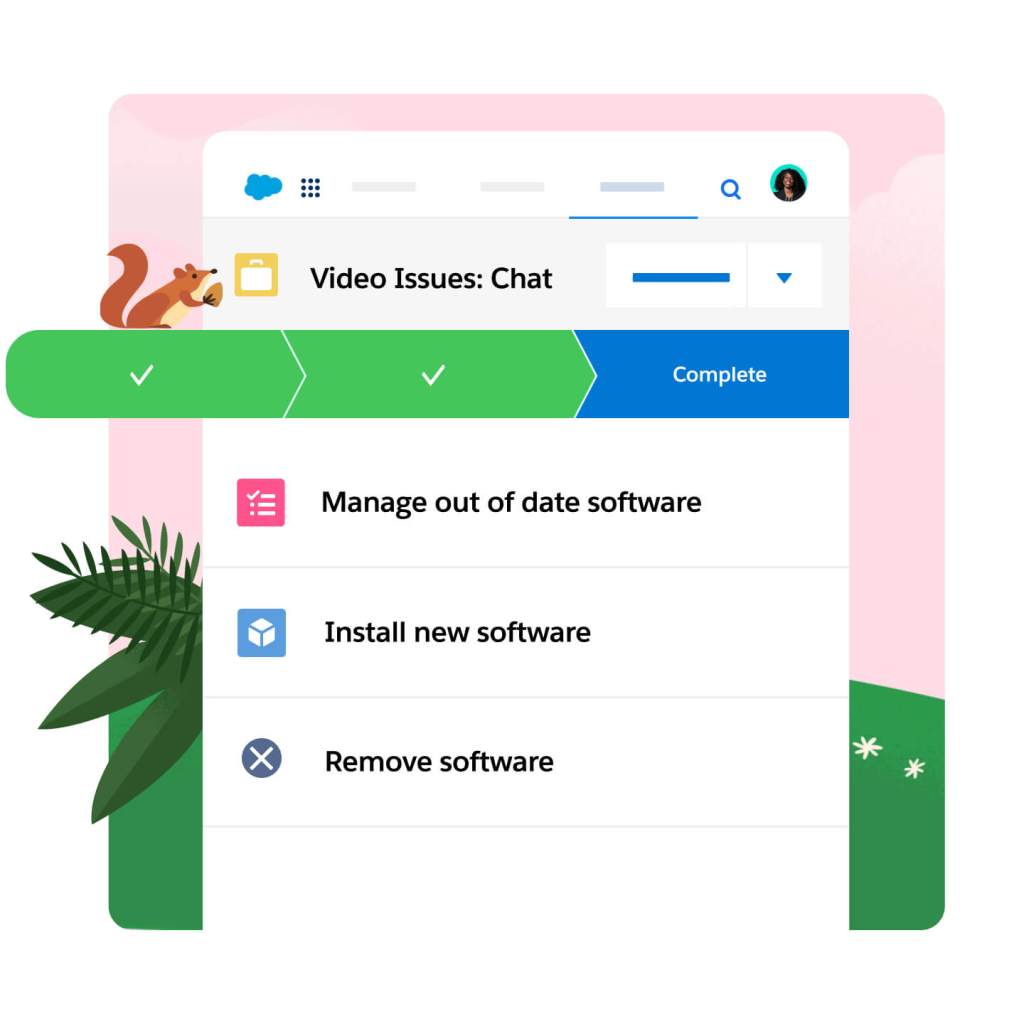
Help IT deliver support across devices and channels with AI-powered tools that drive proactive resolution. Decrease ticket resolution time.
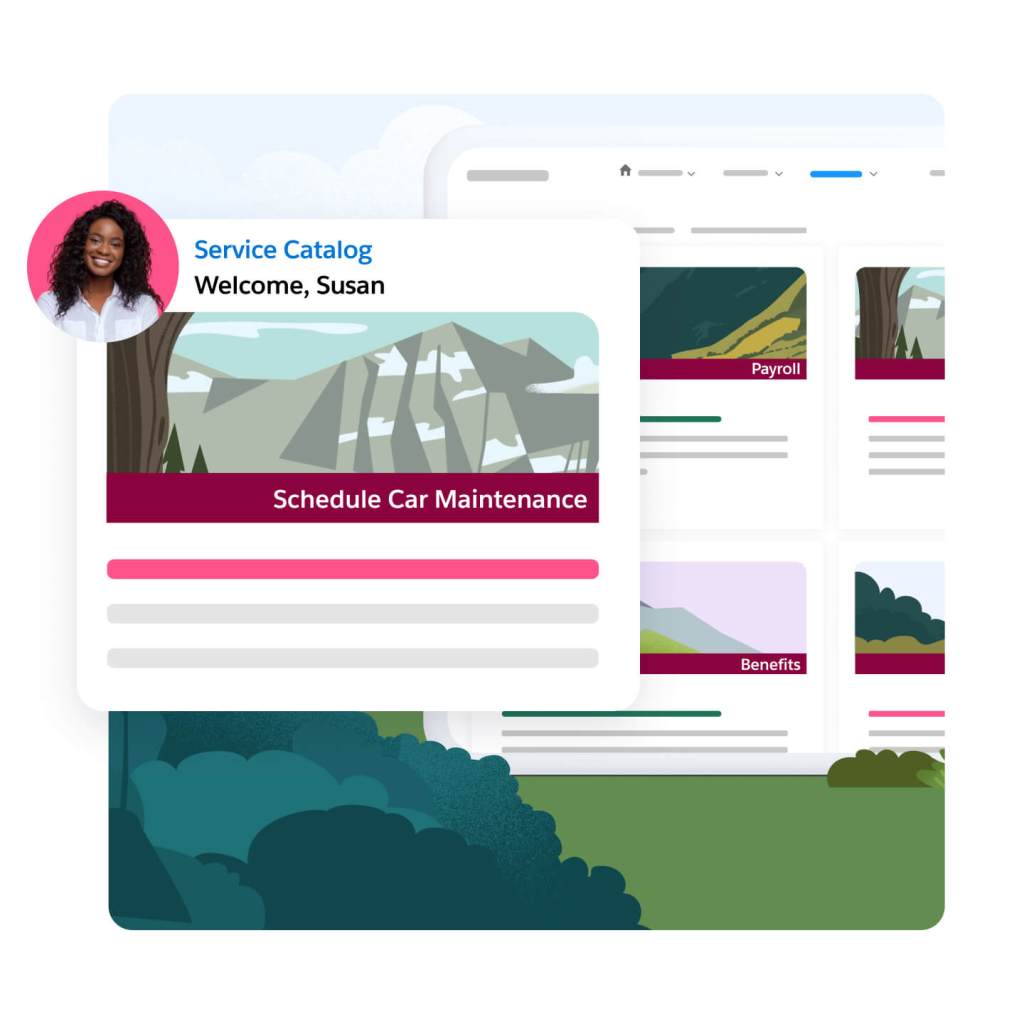
Automate common service requests and give employees a consumer-like menu for a faster, more effortless self-service experience.
Power service productivity with real-time collaboration.
Make your customer service more efficient with a powerful productivity platform. Resolve customers' issues faster.
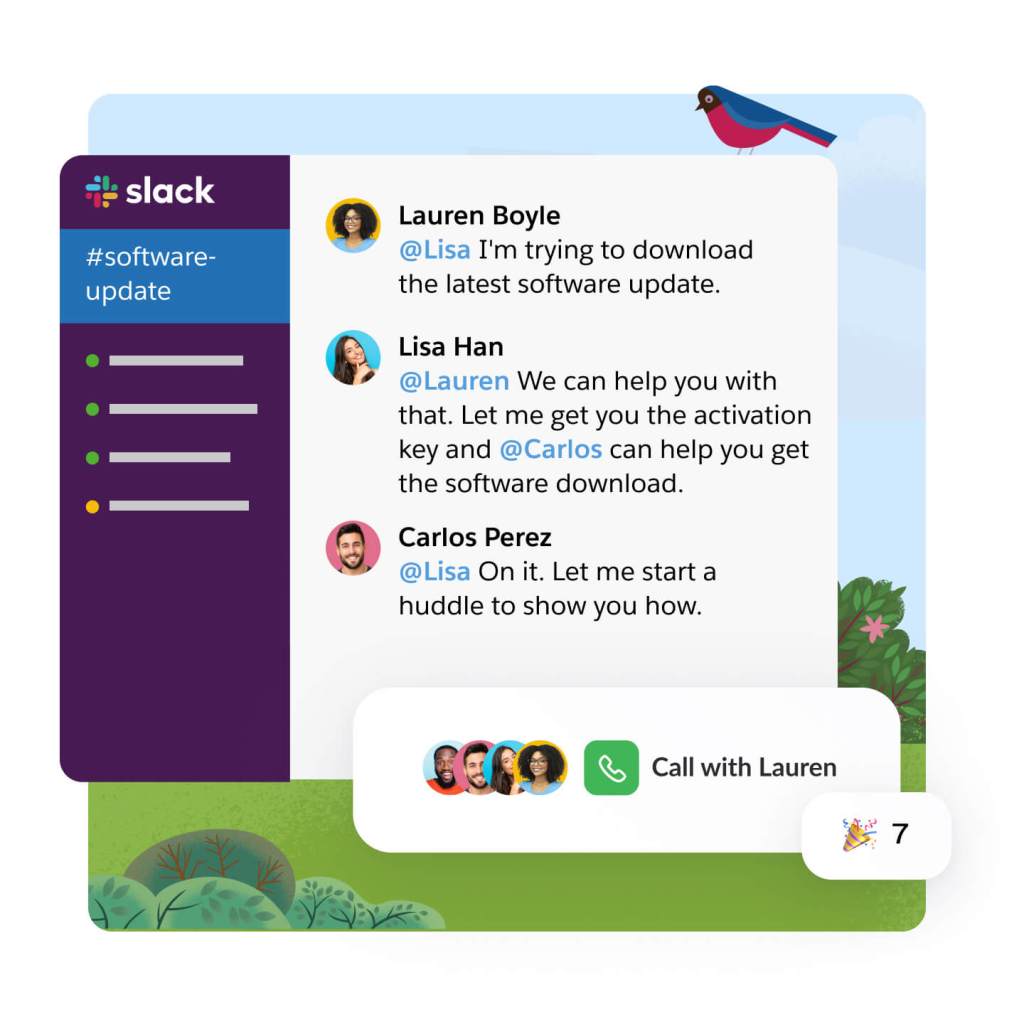
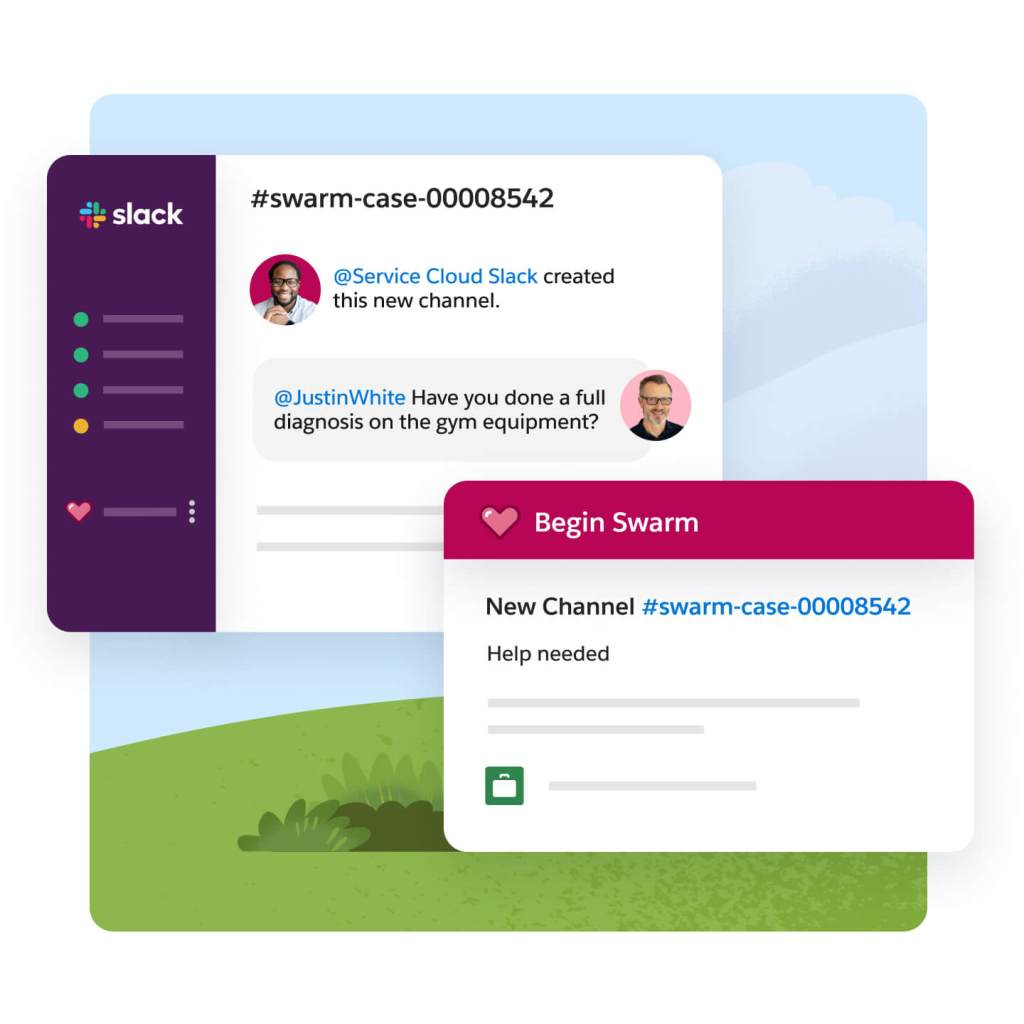
Boost productivity, easily collaborate with experts, and solve cases more efficiently with Service Cloud for Slack.
Extend the power of Employee Service with these related products.
Service Cloud
Drive productivity, reduce costs, and increase customer satisfaction at scale with Service Cloud.
Digital Engagement
Deliver seamless, personalized conversational experiences across channels — at scale.
Customer Service Automation & Process
Scale support and boost customer satisfaction with personalized, smart, data-driven automation.
Einstein Bots
Resolve cases faster and scale 24/7 support across channels with AI-powered chatbots.


With our partnership with Salesforce, we were able to build the employee services portal. Employees have access to a wealth of information and knowledge to self-serve and plan for moments that matter to them.
Gabriel BrionesManager, Employee Service Center, Southwest Airlines

Get the most out of employee engagement & management software with thousands of partner apps and experts.


Join the #Serviceblazer movement.
Together, we're building the premier destination for service and field service professionals.
Learn new skills with free, guided learning on Trailhead.

Hit the ground running with Employee Service tips, tricks, and best practices.


Ready to take the next step with the Service Solution built on the world's #1 CRM?

Start your trial.
Try Service Cloud free for 30 days. No credit card, no installations.

Talk to an expert.
Tell us a bit more so the right person can reach out faster.

Stay up to date.
Get the latest research, industry insights, and product news delivered straight to your inbox.

Employee Service FAQ
Application programs that organizations use to increase employee job satisfaction and better manage workers.
Employee engagement software help employees find answers fast, accelerate team collaboration, and upskill workers.
Employee engagement and management software can scale employee support, reduce operating costs and improve employee productivity.